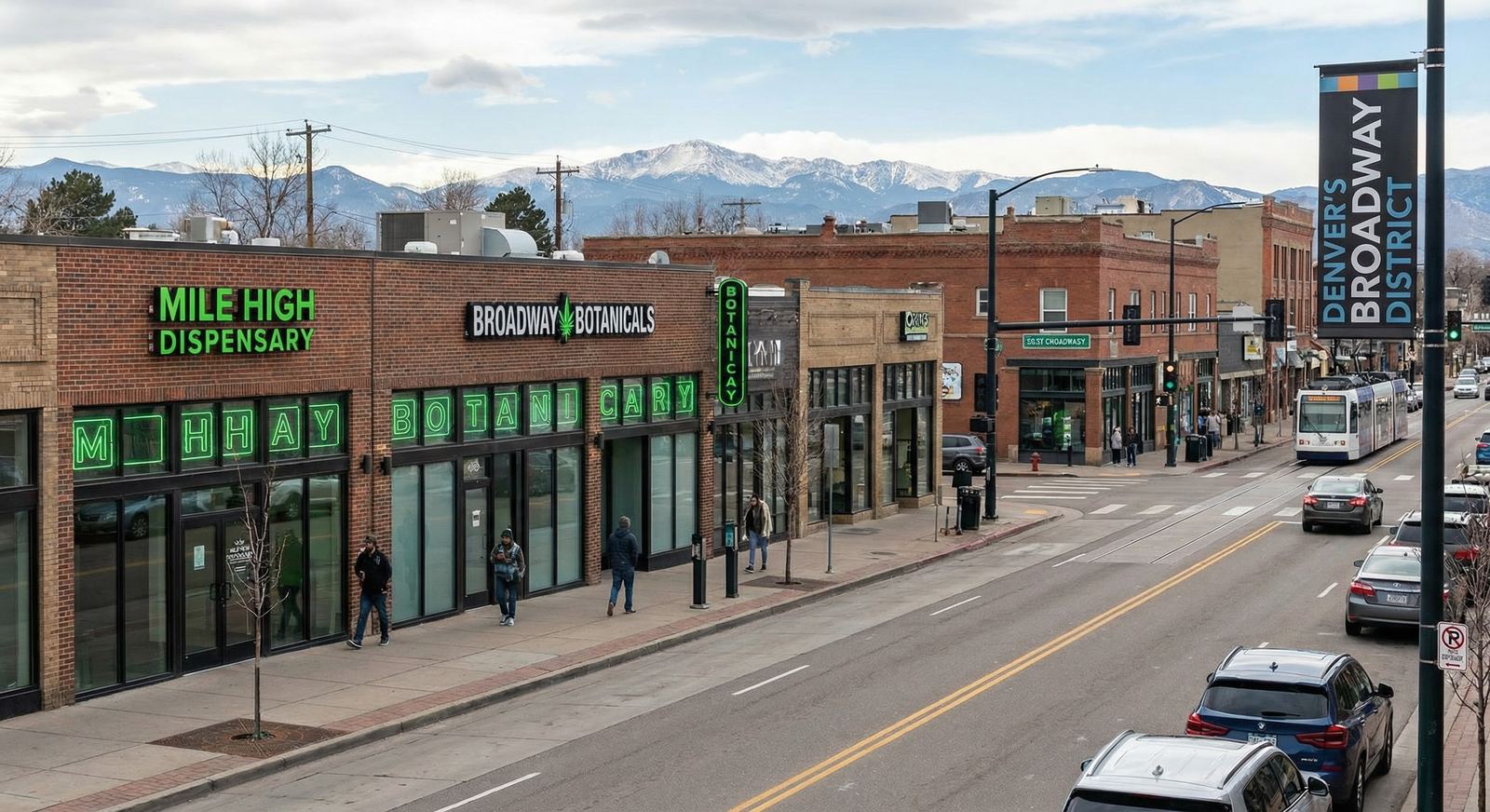
A responsible hidden-gems guide should not send large groups to fragile residential corners, private property, restricted roads, or tiny businesses that did not agree to receive them. Use this framework to create a route that fits the group and respects each place.
Choose a route theme
Build around one idea: public art and architecture, independent food, music history, parks and viewpoints, adaptive-reuse spaces, cultural institutions, or a neighborhood story. A theme produces a more coherent day than unrelated social-media pins.
Keep the route within one area or a short corridor. Hidden-gem value disappears when most of the trip is spent crossing Denver.
Verify public access and group fit
Confirm current hours, reservation needs, admission, commercial photography rules, group size, accessibility, restrooms, parking, and legal loading directly with the property or responsible public agency.
Do not assume a public-looking space permits commercial events, oversized vehicles, alcohol, amplified sound, or a long curb stop.
Respect neighborhoods and small businesses
Use commercial loading areas and ordinary business hours. Avoid blocking homes, alleys, bike lanes, driveways, fire access, or pedestrian routes. A large group should not arrive at a small venue without notice.
Transportation does not create property permission, reserved space, admission, purchases, or partnership.
Give each stop a purpose and dwell
Record why the stop matters, its exact address, arrival, activity, walking distance, dwell, and reboard point. Mark photo-only or shopping stops optional so a reservation remains protected.
Count purchases, coats, camera gear, mobility devices, food, and other items against vehicle storage.
Make the route accessible to the actual group
Share passenger ages, walking tolerance, steps, mobility devices, weather exposure, and restroom needs. A visually interesting stop is not useful when half the group cannot reach it comfortably.
Choose one organizer and backup, publish the reboard pins, and finish with a clear return. The result is a defensible local route—not a spammy list of “secrets” copied from other sites.
Build a focused Denver discovery route
- Choose one neighborhood or corridor instead of unrelated stops across the city.
- Confirm current hours and reservations with each destination.
- Use a practical loading point that does not block a residential or business entrance.
- Leave an optional stop out if it would make the return feel rushed.