Industry · 12 min read · 2025-12-01
How to Evaluate Limousine and Party Bus Software
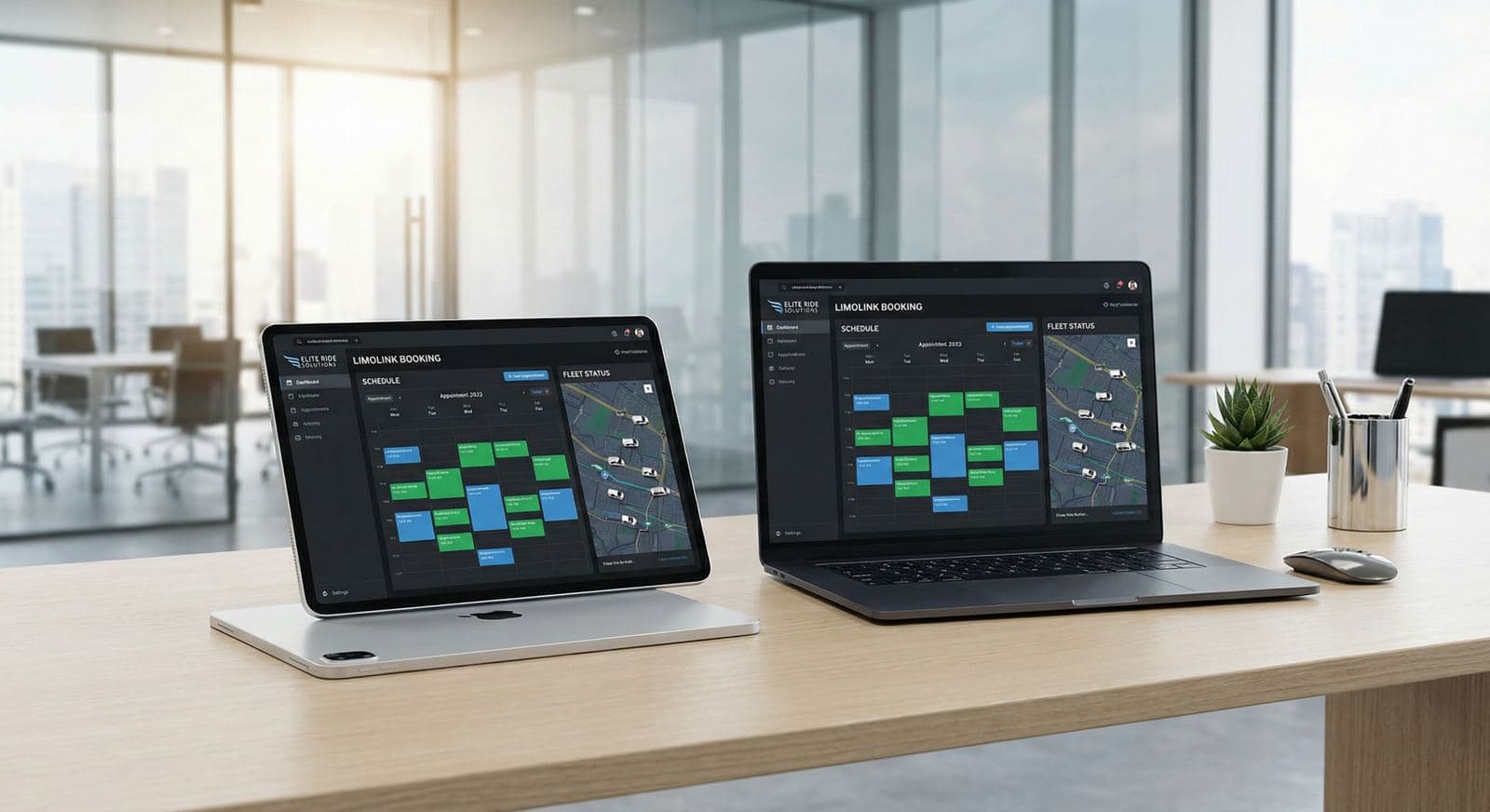
A ranked vendor list and stale starting prices do not tell an operator whether software can run the actual quote-to-cash, dispatch, payment, and exception workflow.
See the ride energy
Stills and a short fleet clip for planning mood — not a guarantee of a specific unit, lighting package, or layout. Confirm the assigned vehicle in your written quote.


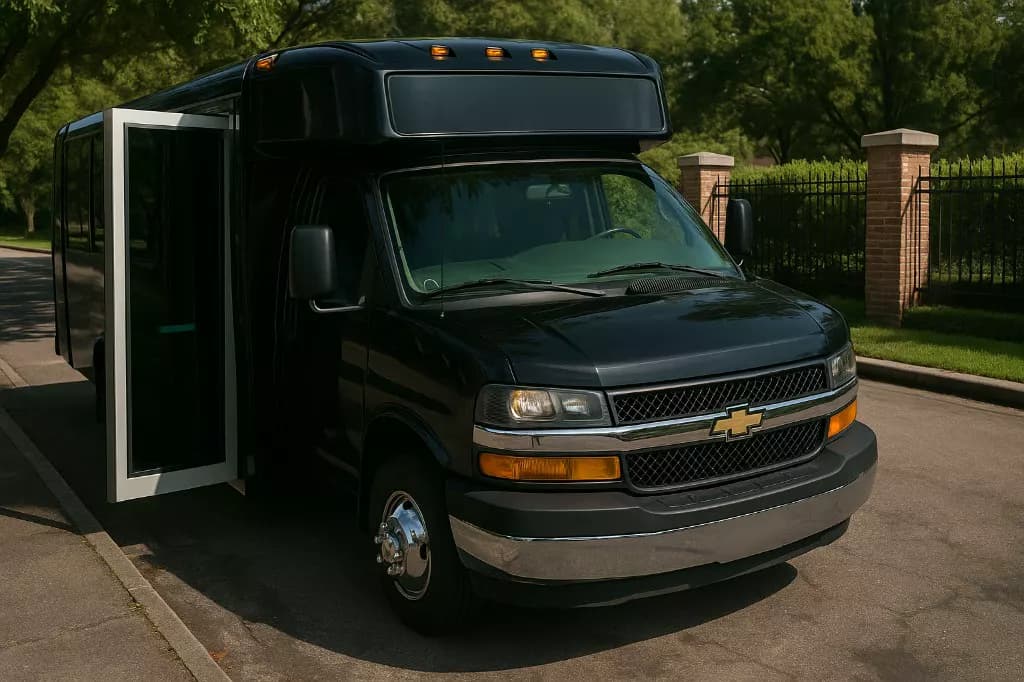
Descriptive captions available via the player CC control. Amenities vary by assigned unit.
Read full transcript
Night exterior: black luxury group van with gold light trim near Denver skyline. Side profile shows empty cream seats and purple cabin lighting. Open side door and interior bench seating with LED accents. Visual mood only — confirm assigned vehicle and amenities in your written quote. Download transcript
Industry
Guide
12 min
Read time
2025-12
Updated
Quote
Next step
Need Denver group transportation?
Request quote details for your route, vehicle size, timing, and final pricing before reserving.
Request Quote DetailsTransportation software should be evaluated against the operation you intend to run. Vendor pricing, features, integrations, ownership, and support change, so verify every claim directly and use a structured trial.
Denver Party Ride does not claim to have tested every platform, rank vendors independently, or maintain current vendor pricing. This article is an operator evaluation framework.
Map the quote-to-cash workflow
Document lead capture, qualification, quote versions, vehicle availability, customer approval, agreement, deposit, balance, driver assignment, trip execution, additional time, closeout, and follow-up.
The product should show who changed each important field and when. A polished booking widget is not enough when office staff cannot reconstruct the commercial record.
Test dispatch and day-of exceptions
Create realistic scenarios: late chauffeur, vehicle substitution, flight delay, new stop, passenger-count change, overtime, customer no-show, road closure, and split return. Test how dispatch, driver, customer, and accounting views stay aligned.
Look for role permissions, acknowledgement, timestamped notes, contact routing, escalation, and an exportable audit trail.
Evaluate capacity and fleet controls
The system should separate advertised seats, practical trip capacity, storage, accessibility, maintenance status, vehicle class, assigned unit, and substitution rules. Availability should account for service windows, travel, cleaning, inspections, and driver constraints.
Do not let software convert an inquiry into a false inventory promise.
Review payments and agreements
Confirm deposit, balance, gratuity, tax, refund, cancellation, damage, overtime, chargeback, card-storage, and reconciliation workflows. Ask which payment processor and merchant account are used and who owns the customer relationship.
Have qualified advisors review legal, tax, privacy, accessibility, and payment obligations. A software demo is not compliance advice.
Inspect integrations and data ownership
List website forms, email, SMS, phone, accounting, calendar, maps, telematics, analytics, affiliate, CRM, and reporting needs. Determine whether integrations are native, partner-built, API-based, or manual.
Ask how to export customers, trips, payments, documents, messages, vehicle data, and audit logs. Understand retention, deletion, backups, portability, API limits, webhooks, and exit costs.
Test security and permissions
Review authentication, multifactor support, least-privilege roles, driver access, payment scope, encryption representations, incident response, subprocessors, privacy terms, and account recovery. Require written answers for material controls.
Calculate total operating cost
Include subscription, setup, migration, training, payment fees, SMS, integrations, API access, support tier, hardware, extra users, affiliate fees, custom work, and exit costs. Measure labor saved and errors prevented rather than comparing only monthly price.
Run a controlled pilot
Use a small set of real trip types without risking production operations. Define pass criteria: quote time, booking accuracy, dispatch clarity, payment reconciliation, driver adoption, customer communication, exception handling, reporting, and data export.
Choose the platform that performs the documented workflow with acceptable risk and total cost—not the vendor that wins a generic popular-ten article.
Planning Your Denver Group Outing
When planning group transportation in Denver, confirm your vehicle size, seating layout, passenger count, pickup access, minimum hours, and route timing before reserving. Always ask for pricing assumptions including overtime, fuel surcharges, taxes, gratuity, and cancellation terms in writing.
Denver Party Ride helps groups compare party buses, limousines, Sprinters, and coach buses for weddings, Red Rocks concerts, proms, brewery tours, corporate events, airport transfers, and nights out.
Related Planning Guides
Denver Nightlife
How to Plan a Denver Bar Route Without a Stale popular-Of List
Build a Denver bar route using current venue checks, one compact neighborhood, group-size fit, reservations, entry rules, reboard times, and a final return.
Colorado Adventure
How to Choose a Colorado Ski Trip from Denver
Compare Colorado ski-trip transportation by corridor, resort access, winter-road rules, passenger ability, equipment storage, lodging, departure time, and fallback plan.
Denver Culture
Denver 420 Transportation: A Legal-Itinerary Planning Guide
Plan private Denver 420 transportation around current Colorado law, adult ages, authorized destinations, no driving impaired, vehicle rules, compact routing, and returns.
Frequently Asked Questions
Still have a question not listed here?
Have Questions About Your Event?
Call or text 303-536-7879 to discuss your route, vehicle needs, and timing before you request a written quote.
Request Quote Details →