One Large Vehicle vs Multiple Smaller
When a Denver group grows past a single Sprinter or limousine, planners face a fork: reserve one large vehicle, or split into two or more smaller ones. The right answer depends on pickup geography, venue access, budget coordination, and whether the group must stay together the entire time.
This guide covers decision factors plus a worksheet for comparing both structures with the same date, riders, route, operating window, and required features. It does not claim one option is always cheaper, faster, available, or preferable.
Methodology
- •We evaluate cohesion (everyone together), logistics (multiple pickup points), access (can a long vehicle load?), and timeline reliability (staggered arrivals).
- •Examples reference common Denver patterns: hotel clusters, downtown loading limits, Red Rocks lots, and suburb-to-downtown meetups.
- •The worksheet compares one large assignment with multiple smaller assignments using each written rate, minimum, route, driver, staging, and line item—without assigning an unsourced market rate.
Limitations
- •Two smaller vehicles are not automatically less expensive than one large vehicle. Compare both written structures because minimums, travel, staging, parking, and waiting can reverse an initial assumption.
- •Venue rules, HOA private streets, and garage height limits can force a split even when the group prefers one bus.
- •If friends are arriving from Aurora, Boulder, and Highlands Ranch at different times, one vehicle may create long wait costs that multiple pickups avoid — or the opposite, if everyone can meet at one hub.
Estimates are preliminary. Confirm vehicle fit, policies, and final pricing in writing before reserving.
When one large vehicle usually simplifies the day
One vehicle keeps the playlist, conversation, and safety plan in a single cabin. That matters for bachelor/bachelorette routes, team celebrations, and any itinerary where splitting the group would break the experience.
A single chauffeur timeline is easier to manage for photo stops and surprise destinations. You are not coordinating two drivers who hit traffic differently on I-25 or Speer.
Large wedding guest moves from ceremony to reception often work best as one coach loop when the guest list and timing are centralized.
When multiple smaller vehicles can be the better plan
Different subgroups may need different start times — parents leaving a reception early, a bridal party on a photo loop, or executives heading to DIA while others stay downtown.
Tight loading zones may accept a Sprinter or limousine more easily than a full-size bus. In those cases, two smaller vehicles can preserve access without long walk connections.
If the group is not socializing together (corporate room blocks, multi-hotel guest shuttles), parallel smaller vehicles can reduce total guest wait time.
How to brief a useful quote request
List every pickup address and whether people can meet at a single hub. Meeting at one hotel lobby often restores the one-vehicle option.
Share hard constraints: latest arrival time, ceremony start, concert gates, or flight check-in. Those constraints matter more than preferences about vehicle color or lighting.
Ask for both structures when unsure: one large vehicle option and a two-vehicle option for the same itinerary, each with written assumptions.
How to decide without overthinking
One large vehicle reduces coordination but increases curb and access constraints. Multiple smaller vehicles increase coordination but can split formal vs social jobs cleanly.
If your group will separate anyway (parents vs wedding party, VIP clients vs staff), multiple vehicles can be simpler than forcing one timeline.
Price the full system: two Sprinters can exceed one coach — or not — depending on hours. Compare written options for the same itinerary window.
One vehicle versus multiple vehicles quote worksheet
Request both structures for the same date, riders, cargo, origins, destinations, hours, and required features. Use only the written rates and terms; the arithmetic examples are hypothetical.
| Planning band | Sample range | Notes |
|---|---|---|
| One large vehicle | One written total | Include its minimum, route, staging, access, wait, overtime, and line items |
| Two smaller vehicles | Total A + total B | Include both minimums, drivers, travel, staging, parking, wait, and line items |
| Illustrative one-vehicle math | $350 × 5 = $1,750 | Math example only; not a Denver rate or class estimate |
| Illustrative two-vehicle math | ($225 × 5) × 2 = $2,250 | Math example only; actual minimums, routes, and terms may differ by assignment |
| Meetup-hub alternative | Request revised one-vehicle total | Confirm the legal meetup point, passenger arrival plan, parking, and changed operating time |
- •Two vehicles are not automatically more expensive or cheaper—compare written options with identical service assumptions.
- •If pickups are spread across Aurora, Boulder, and Highlands Ranch, model wait time on one bus versus a second vehicle before you decide.
- •Ask /book for both structures on the same itinerary when you are unsure.
Ready for a number tied to your itinerary? Request a written quote — sample ranges are for planning only.
Decision factors
Must the group stay together?
If yes, prioritize one cabin unless access makes that impossible.
Pickup geography
Wide suburb spread can favor a meetup point or multiple vehicles — decide which cost (wait time vs second vehicle) you prefer.
Venue access
Measure the loading reality at hotels, churches, and downtown venues before falling in love with a 40-foot option.
Timeline risk
One delayed stop on a single bus delays everyone; multiple vehicles isolate delays but add coordination work.
Quote comparability
Compare written options with the same hours, stops, and passenger assumptions — not verbal ballparks or mismatched sample bands.
Lean one large vehicle when…
- ✓Everyone shares the same start time and route
- ✓The celebration value of one shared cabin is high
- ✓A legal loading plan exists for the larger vehicle
- ✓You want one timeline and one point of contact on the road
Lean multiple smaller vehicles when…
- ✓Subgroups have different schedules or destinations
- ✓Venues cannot accommodate a full-size bus
- ✓Pickups are too spread out for a reasonable wait
- ✓You need redundancy if one stop runs long
Ready to compare options for your date?
Share headcount, route, and timing. We will help you review fit and written quote details — not lowest-price promise.
Related planning links
Full fleet overview
Compare party bus, limo, and coach classes.
Party bus vs limousine
Class-level trade-offs for social vs formal rides.
Party bus vs coach
Celebration cabin vs seated transport.
Hourly vs point-to-point
Sample night totals before you request quotes.
Request both structures
Ask for one-vehicle and two-vehicle written options.
See the ride energy
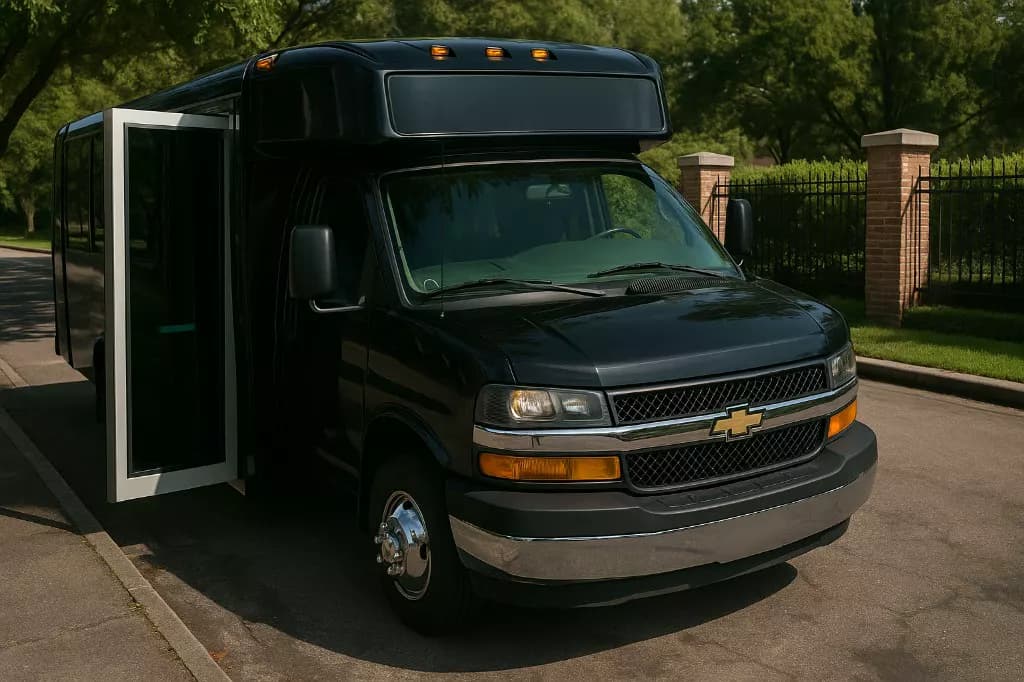
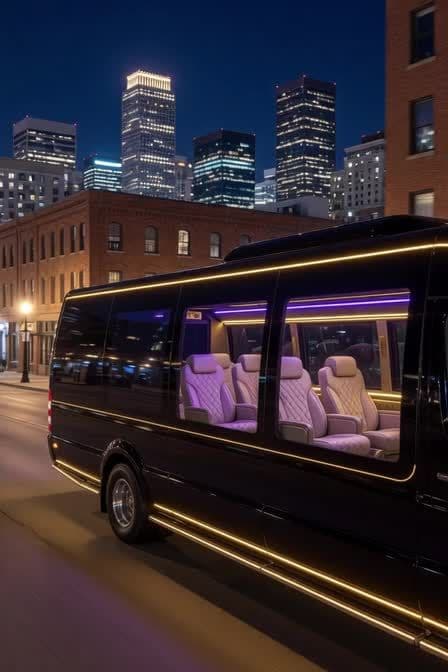
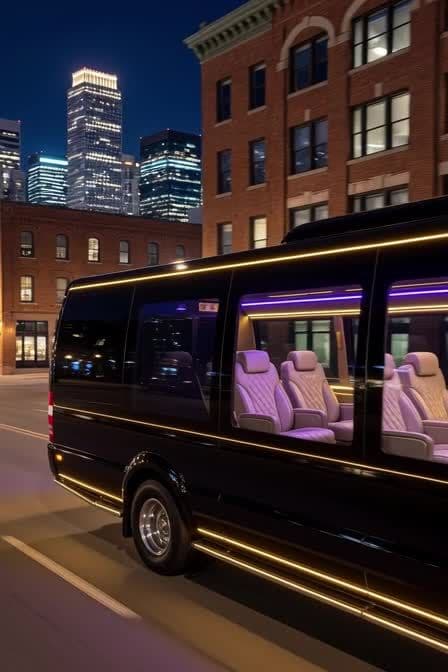
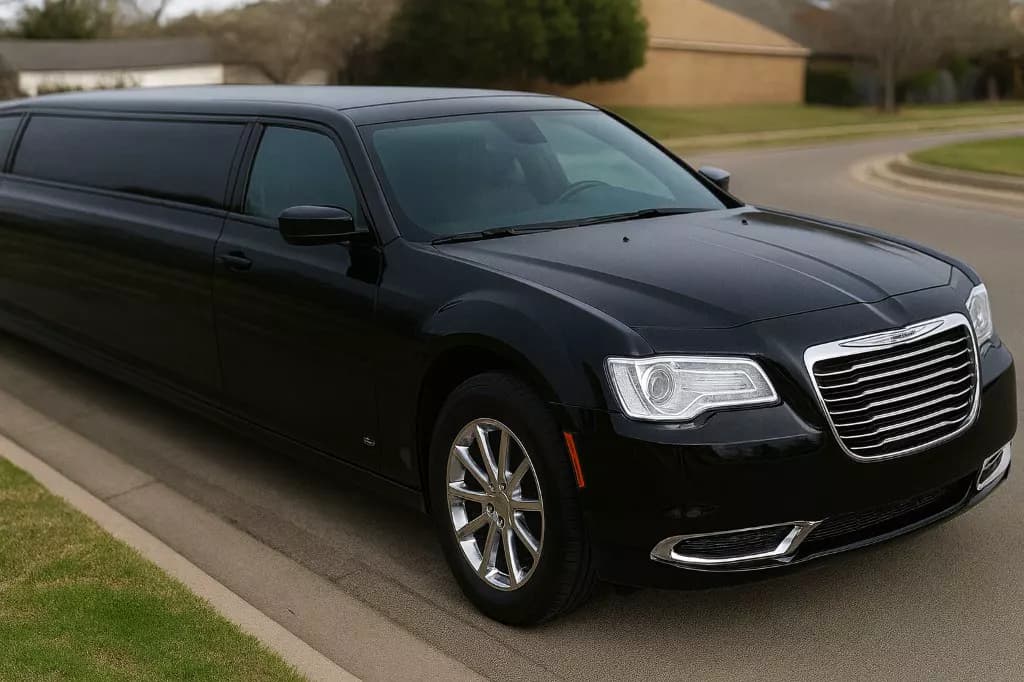
Stills and a short fleet clip for planning mood — not a guarantee of a specific unit, lighting package, or layout. Confirm the assigned vehicle in your written quote.
Compare
Guide type
Multiple Smaller
Focus
Written quote
Next step
8–56 pax
Fleet range
Denver Fun Facts
Denver enjoys 300+ days of sunshine per year — more than San Diego or Miami Beach.
Red Rocks Amphitheatre is the only naturally-occurring, acoustically perfect amphitheater in the world.
Frequently Asked Questions
Still have a question not listed here?