Party Bus Rental Cost Factors
People searching for Denver party bus cost usually want a number first, but this site does not have verified live rates or inventory to publish as a market price. The worksheet below shows how to calculate and compare a written quote using its hourly rate, minimum, route, stops, vehicle class, overtime, and line-item inclusions.
Any estimate you receive is preliminary until the vehicle, route assumptions, inclusions, and policies are confirmed in writing. Nothing here promises a lowest price or an all-inclusive package unless your written quote says so.
If you only remember one idea from this guide: compare written assumptions, not screenshots of someone else’s night. Two groups with the same headcount can receive different structures when the routes, stops, hours, access, cargo, or policies differ.
Methodology
- •The worksheet uses clearly hypothetical arithmetic so readers can substitute the rate, minimum, fees, and terms from an actual written quote.
- •Factors are grouped the way quote reviews typically work: when you ride, how long you ride, where you go, what you ride in, and which policies apply.
- •Denver-specific examples include nightlife routes, Red Rocks timing, suburb pickups, and mountain-adjacent mileage as context for identifying quote assumptions.
Limitations
- •Hypothetical arithmetic is not a calculator output, estimate, market rate, or binding offer.
- •Fuel, gratuity, taxes, tolls, wait time, and overtime may be included or itemized depending on the written quote — do not assume either structure from marketing copy elsewhere on the web.
- •Peak dates can change minimum hours and availability even when your route looks simple. Always confirm final pricing in writing.
Estimates are preliminary. Confirm vehicle fit, policies, and final pricing in writing before reserving.
Time-based factors
Duration can be a major quote input when the written structure is hourly. Record the stated minimum, clock start and end, rounding rule, included wait, and overtime rate. Photo stops, slow loading, and added stops can extend billable service under the quoted terms.
Date and time can affect the available assignment and written terms, but this page does not publish a universal peak calendar or premium. Compare quote versions only when they use the same date, operating window, and itinerary.
Start and end times should include realistic buffers for traffic near Ball Arena, Empower Field, and downtown garage exits — not only map-app best-case drive time. A quote that looks cheap until overtime starts is not a bargain.
Route and stop factors
Pickup suburb, destination, and live miles influence both clock time and operational cost. A LoDo loop is a different quote problem than a Highlands Ranch pickup plus Red Rocks plus late return to multiple hotels.
Each additional stop adds dwell time. If guests will spend 45 minutes inside a venue while the vehicle stages, say so — staging and wait rules belong in the quote assumptions.
Mountain corridors, winter weather, and travel before or after passenger service can require different vehicle suitability and timing. Ask for every route and time assumption to be written down before comparing totals.
Vehicle and policy factors
Vehicle class and capacity can change a quote even when passenger count is unchanged. Use the worksheet to record each written rate and minimum, then match the quoted assignment to legal seating, cargo, access, and accessibility needs.
Decorations, clean-up expectations, alcohol rules, and damage deposits are policy items. If a webpage says “BYOB welcome,” still confirm the rule for your assigned vehicle and operator.
Deposits, cancellation windows, and change fees protect both sides when prom season or wedding dates shift. Read them before you treat a preliminary estimate as reserved inventory.
How to use quote math without fooling yourself
Pick the class that matches legal seating, cabin purpose, cargo, access, and accessibility. Multiply the written hourly rate by the quoted minimum or expected billable hours—not an assumed minimum copied from another trip.
Add a mental buffer for one likely risk: late dinner, slow Red Rocks exit, or a second hotel drop. If that risk would force overtime, budget it or cut a stop before you book.
When you request a quote, paste the same stop list you used for budgeting. Quotes that change the itinerary silently are how “surprise” totals appear later.
Denver scenarios that move the number
Red Rocks nights: doors buffers and post-show exits often matter more than the Morrison drive itself. Waiting rules should be explicit.
Wedding days: multi-vehicle timelines (couple limo + party bus + guest coach) are common. Price each job, then look at the combined clock — not one vehicle in isolation.
Suburb pickups: Aurora, Parker, Boulder, and Fort Collins can all work; longer deadhead or opposite-direction plans consume hours faster than central-metro crawls.
Airport-adjacent moves: bag counts and flight windows can push you from a party cabin into a Sprinter or coach structure with different sample bands.
Vehicle-class quote worksheet — use written numbers
Illustrative quote math only — replace every example input with the hourly rate, minimum, transfer price, fees, and terms in your written quote. These examples are not Denver market rates, live inventory, estimates, or offers.
| Planning band | Sample range | Notes |
|---|---|---|
| Limo / executive Sprinter (≈8–14 guests) | Written rate × minimum | Confirm assignment, legal seating, trunk, route, and every included line item |
| Mid party bus / stretch limo (≈15–22) | Written rate × minimum | Compare cabin purpose, stop time, access, policies, and overtime |
| Full-size party bus (≈23–35) | Written rate × minimum | Confirm dimensions, legal loading, passenger count, features, and timing |
| Large party bus / mid coach (≈36–45) | Written rate × minimum | Compare social cabin with forward-facing service, luggage, and route access |
| Full coach (≈46–56) | Written rate × minimum | Confirm luggage bays, driver-time assumptions, full-size access, and required features |
| Illustrative hourly example A | $200 × 4 = $800 | Math example only; add every written fee and overtime exposure |
| Illustrative hourly example B | $300 × 5 = $1,500 | Math example only; the rate and minimum do not describe a vehicle class |
| Illustrative hourly example C | $400 × 6 = $2,400 | Math example only; use the confirmed clock start, end, and minimum |
- •Base hourly math is written hourly rate × billable minimum or actual billable hours, subject to the quote's clock and overtime rules.
- •Compare parking, tolls, gratuity, taxes, fuel or travel charges, waiting, cleanup, and other line items exactly as written.
- •A vehicle page or class label does not establish rate, minimum, availability, assignment, or inclusions.
Ready for a number tied to your itinerary? Request a written quote — sample ranges are for planning only.
Decision factors
Date and demand window
Use the exact service date and operating window in every quote request; do not transfer availability, rates, or minimums from a different date.
Hours on the clock
Use the written minimum, clock rules, and overtime exposure from stops, photos, loading, waits, and traffic.
Distance and geography
Metro loops versus airport, mountain, or multi-city Front Range itineraries.
Stop count and dwell time
More stops and long venue waits change how the reserved window is consumed.
Vehicle class and capacity
Match real headcount and cargo needs; sample $/hr bands differ by class for a reason.
Inclusions and policies
Confirm what the written quote includes — and what is billed separately — before comparing options.
Ready to compare options for your date?
Share headcount, route, and timing. We will help you review fit and written quote details — not lowest-price promise.
Related planning links
Hourly vs point-to-point
Quote-math examples and when each pricing structure fits.
Planning tools
Use free planners to organize group size and itinerary notes.
Party bus fleet
Review capacity classes before you request pricing.
Vehicle comparisons
Class trade-offs plus same-assumption quote worksheets.
Request a written quote
Replace worksheet inputs with confirmed numbers for your date.
See the ride energy
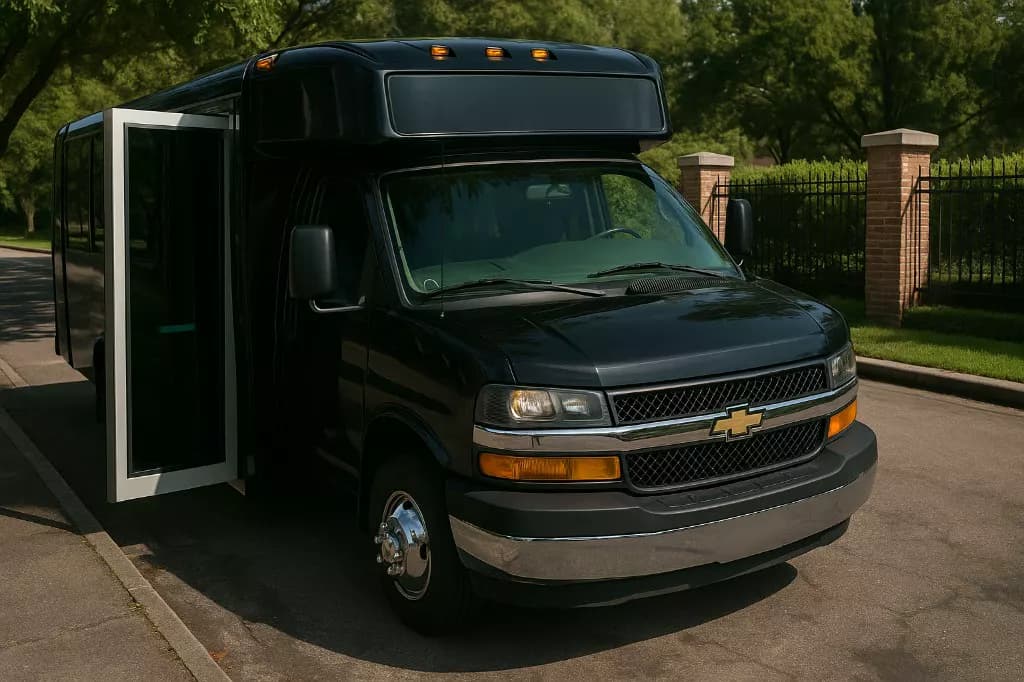
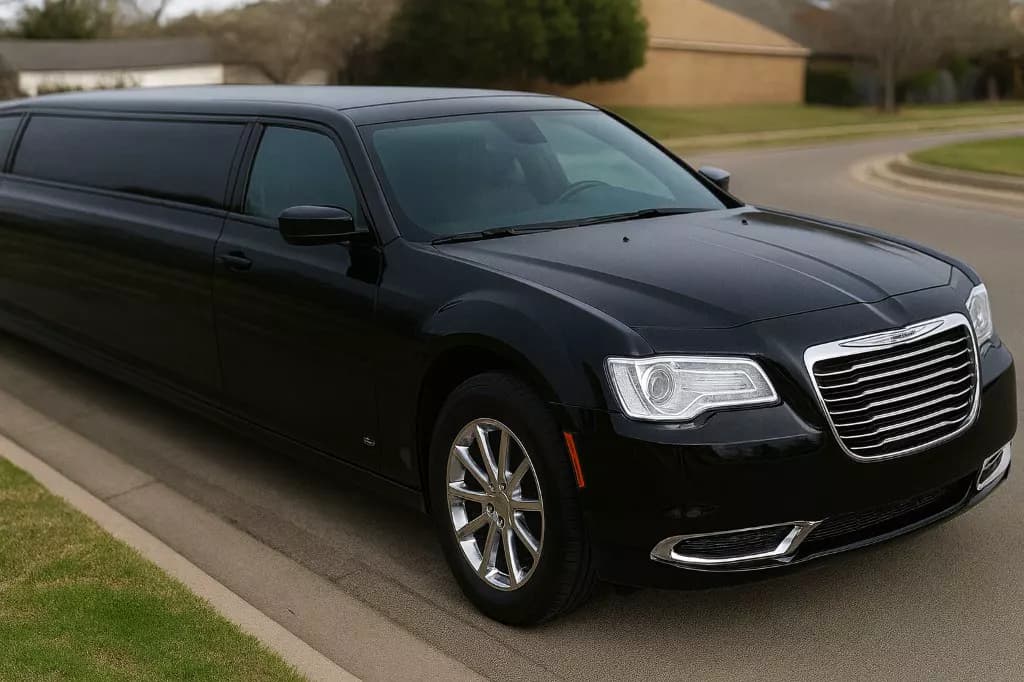
Stills and a short fleet clip for planning mood — not a guarantee of a specific unit, lighting package, or layout. Confirm the assigned vehicle in your written quote.


Cost
Guide type
Cost Factors
Focus
Written quote
Next step
8–56 pax
Fleet range
Denver Fun Facts
Denver enjoys 300+ days of sunshine per year — more than San Diego or Miami Beach.
Red Rocks Amphitheatre is the only naturally-occurring, acoustically perfect amphitheater in the world.
Frequently Asked Questions
Still have a question not listed here?